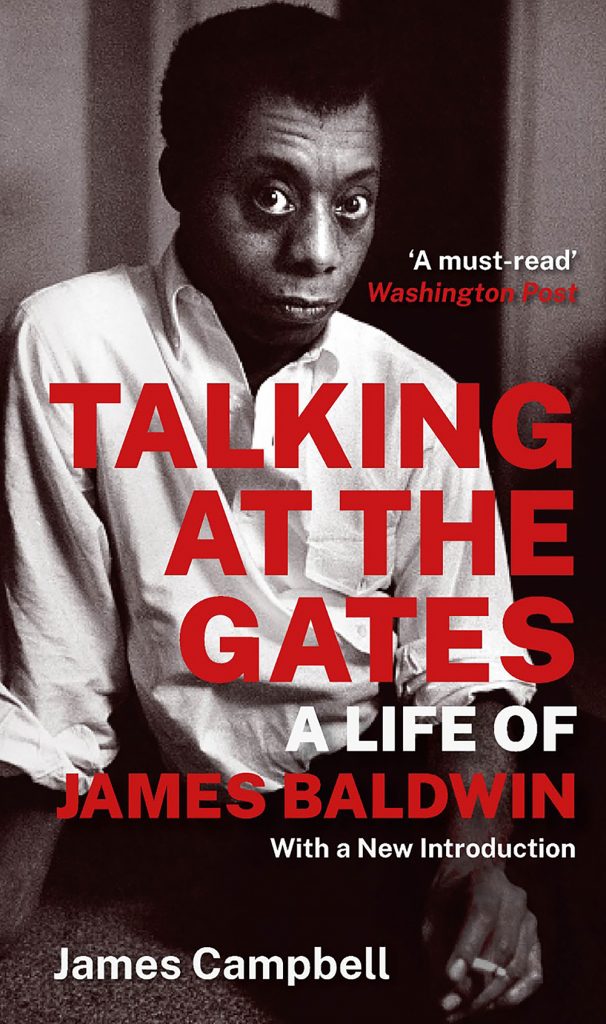
100 years ago this month, James Baldwin was born into the squalor of a Harlem tenement. But he was to transcend that early life of setbacks and racism and go on to become one the great American authors and civil rights activists: his work inspired and challenged, it offered prophetic warnings but also generosity of spirit.
Troubled by his fame, his sexuality and his colour, he was a great drinker and socialiser with wild periods of gregariousness and monastic retreats during which he wrote feverishly. By the time he died in 1987, his books such as The Fire Next Time, Go Tell It on the Mountain and Nobody Knows My Name had become modern classics.
Today, he is having a second life. His are the words that were graffitied on buildings during Black Lives Matter. His works are quoted widely, taught at school and at university level. He remains as influential as he was in his lifetime.
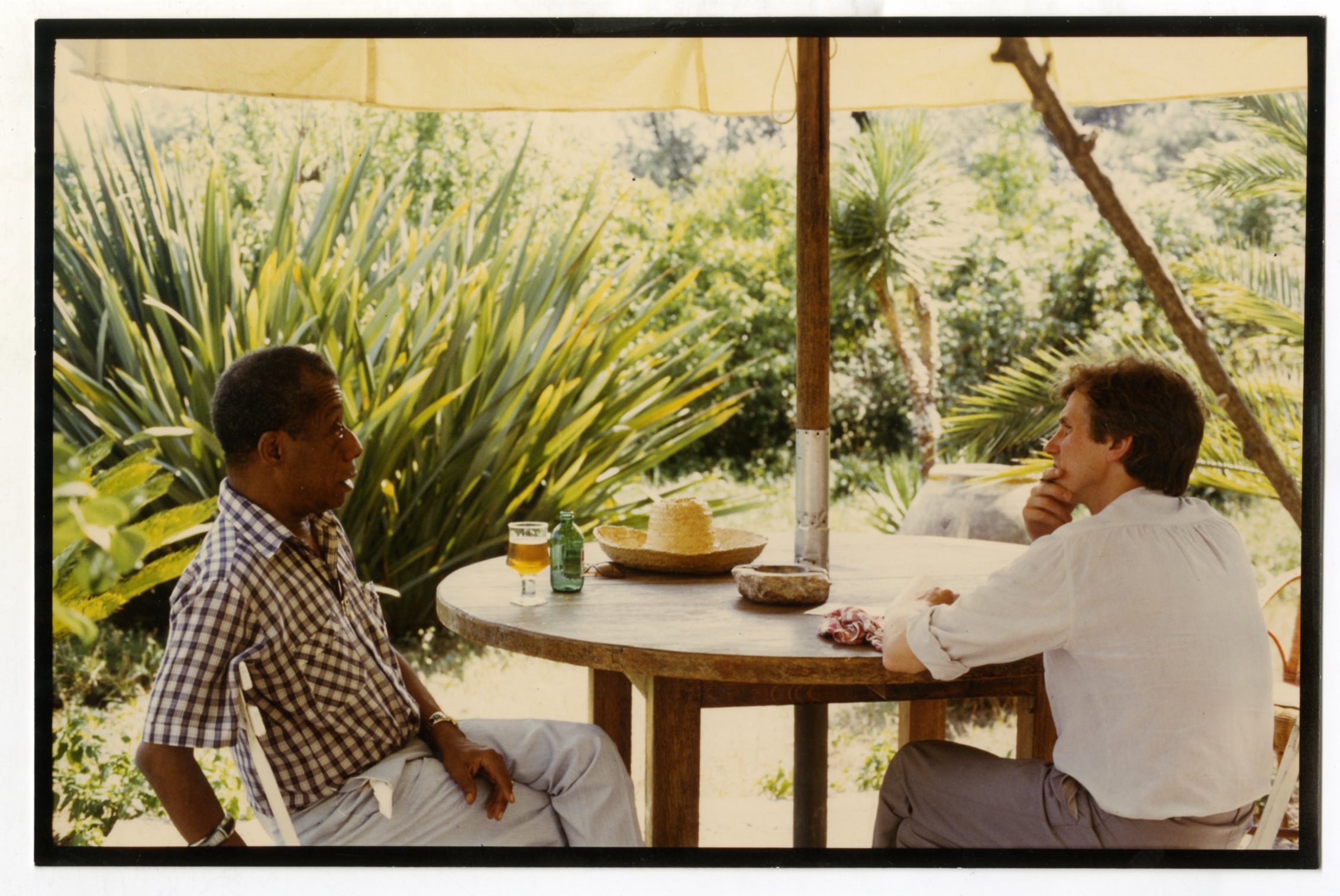
Glasgow born and widely respected author, editor, commentator and critic James Campbell knew Baldwin for ten years. For his much-in-demand book, Talking at the Gates: A Life of James Baldwin, he interviewed many of Baldwin’s friends and examined several hundred pages of correspondence. He quotes from the vast, disturbing file that the FBI compiled on Baldwin and discusses the writer’s turbulent relationships with Norman Mailer, Richard Wright and Marlon Brando, as well as his friendship with Martin Luther King.
To understand James Baldwin and to gain a greater insight into race relations of the time and today, this is the book to read.